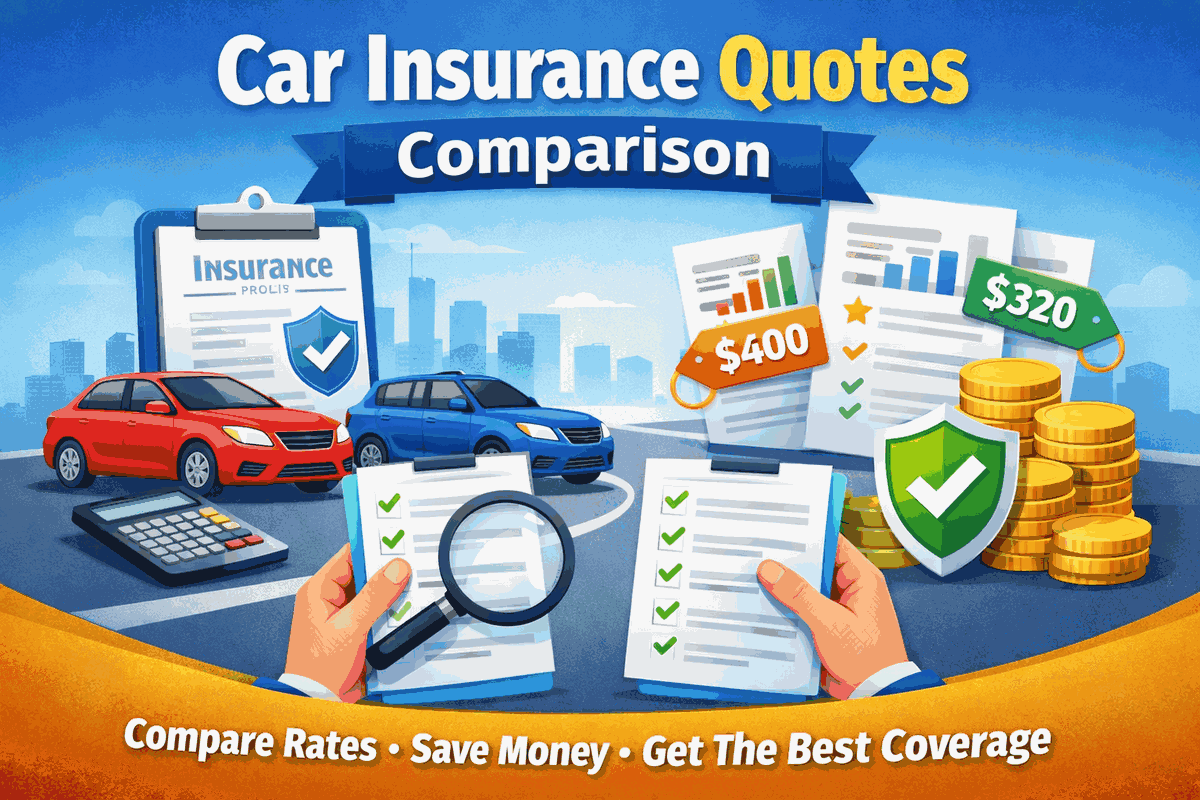
Car Insurance Quotes Comparison
Car Insurance Quotes Comparison: How to Find the Best Coverage at the Right Price
Shopping for auto coverage can feel overwhelming, especially when prices and policy terms vary so much from one company to another. That is why car insurance quotes comparison has become one of the smartest ways for drivers to save money without giving up the protection they need. By comparing quotes carefully, you can identify which insurer offers the best value for your car, budget, driving history, and coverage goals.
Many drivers make the mistake of choosing the first policy they see or simply renewing the same plan year after year. While that may seem convenient, it often means paying more than necessary. A proper comparison helps you understand premiums, deductibles, liability limits, optional add-ons, and discounts so you can make a more informed decision.
This guide explains how car insurance quote comparison works, why it matters, which factors affect your rates, and how to compare multiple offers effectively. Whether you are buying your first policy, switching providers, or looking for cheaper coverage, knowing how to compare quotes can lead to major savings over time.
Why Car Insurance Quotes Comparison Matters
A car insurance quotes comparison matters because every insurer uses its own method to calculate risk. Two companies can look at the same driver and produce very different prices for similar coverage. That means a little research can save you hundreds of dollars each year.
Insurance providers evaluate many details, including your age, driving record, ZIP code, type of vehicle, claims history, annual mileage, and even your credit profile in some regions. Because of these differences, no single insurer is always the cheapest for every driver. One company may offer low rates for young drivers, while another may provide better deals for families, commuters, or people with luxury cars.
Comparing quotes also protects you from focusing only on price. A low premium might look attractive at first, but it may come with higher deductibles, lower liability limits, or fewer useful features. By reviewing multiple quotes side by side, you can see which policy gives you the strongest combination of affordability and protection.
What Is a Car Insurance Quote?
A car insurance quote is an estimate of how much you may pay for an auto insurance policy based on the personal and vehicle information you provide. It usually includes a premium amount, coverage options, deductibles, and policy limits.
Quotes are not always identical to the final policy price, especially if the insurer later verifies details and finds differences in your driving history or vehicle usage. Still, they are the starting point for finding the right plan. Most insurers let you request quotes online, over the phone, or through an agent.
When comparing quotes, it is important to use the same information and coverage levels each time. Otherwise, you may end up comparing policies that are completely different in value.
Key Factors That Affect Car Insurance Quotes
Understanding what affects your premium can make your car insurance quotes comparison more meaningful. Insurance companies price policies based on perceived risk, and they rely on several common factors.
Driving Record
Your driving history is one of the biggest pricing factors. Drivers with accidents, speeding tickets, DUI convictions, or repeated violations usually pay more than those with clean records. Safe drivers often qualify for lower premiums and extra discounts.
Age and Experience
Younger and less experienced drivers often face higher rates because insurers consider them more likely to file claims. Older drivers with many years of experience may receive lower rates, although premiums can rise again for senior drivers depending on age and health-related risk factors.
Vehicle Type
The make, model, year, value, repair costs, theft rate, and safety features of your vehicle all influence your quote. Sports cars and luxury models tend to cost more to insure, while vehicles with strong safety ratings may cost less.
Location
Where you live matters; urban areas with more traffic, theft, or accidents often have higher premiums than rural areas. Weather risks, road conditions, and local insurance regulations can also affect rates.
Coverage Choices
The more protection you choose, the more you usually pay. Liability-only policies are cheaper, while full coverage with collision and comprehensive insurance costs more. Add-ons such as roadside assistance, rental reimbursement, and gap insurance can increase the premium as well.
Credit and Claims History
In some places, insurers use credit-based insurance scores to help set rates. A strong credit profile may lower premiums, while a poor one may raise them. Claims history also matters because frequent claims can signal higher future risk.
How to Compare Car Insurance Quotes Properly
A successful car insurance quotes comparison requires more than collecting a few prices. You need to compare policies on equal terms so you can see which offer is truly better.
Start by deciding the coverage levels you want. Choose consistent liability limits, deductibles, and optional protections before requesting quotes. This creates a fair comparison.
Next, gather quotes from several insurers. Use the same driver details, address, car information, annual mileage, and driving record for each request. Look at the premium, but also review what is included. Some policies may appear cheaper because they offer less coverage.
Read the fine print carefully. Check exclusions, claims handling options, payment flexibility, cancellation rules, and customer support availability. It is also worth checking the insurer’s reputation for claims service. Saving money is important, but fast and fair claims support matters just as much when you need help after an accident.
Types of Car Insurance Coverage to Review
When doing a car insurance quotes comparison, it helps to understand the main types of coverage.
Liability Coverage
Liability insurance covers damage and injuries you cause to others in an accident. It is required in most places and usually includes bodily injury liability and property damage liability. This is often the foundation of every car insurance policy.
Collision Coverage
Collision insurance pays for damage to your own vehicle after an accident, regardless of fault. If your car is newer or financed, collision coverage is often recommended or required.
Comprehensive Coverage
Comprehensive insurance covers non-collision events such as theft, vandalism, hail, flooding, fire, and falling objects. It can be especially useful if you live in an area with severe weather or high theft rates.
Personal Injury Protection or Medical Payments
These cover medical expenses for you and your passengers after an accident. Depending on local law, one of these may be required or optional.
Uninsured or Underinsured Motorist Coverage
This helps protect you if another driver causes an accident but has little or no insurance. It can be a valuable part of a policy, especially in areas where uninsured driving is common.
Best Tips for Getting More Accurate Quotes
Accurate information leads to more accurate quotes. If you underestimate mileage, forget to list a driver, or select the wrong vehicle trim, your quote may change later.
Be honest about how you use your car. Tell insurers whether you commute daily, drive occasionally, or use the vehicle for business purposes. Mention safety features such as anti-theft systems, airbags, lane assist, or tracking devices if applicable.
You should also ask about discounts. Many insurers offer savings for bundling home and auto policies, maintaining a clean driving record, paying in full, going paperless, completing defensive driving courses, installing anti-theft devices, or insuring multiple vehicles.
The more complete your information, the more reliable your comparison will be.
Common Mistakes to Avoid During Car Insurance Quotes Comparison
Many drivers make avoidable mistakes when comparing policies. One of the most common is focusing only on the monthly premium. A lower payment may hide higher out-of-pocket costs if the deductible is too large or coverage is too limited.
Another mistake is comparing policies with different limits. For example, one quote may include state minimum liability, while another may include much stronger protection. These are not equal comparisons.
Some people also ignore customer service and financial strength. Price matters, but you also want an insurer that can process claims efficiently and remain stable over time. Reading reviews and checking industry ratings can help.
Finally, do not forget to review your policy regularly. Your needs and risk profile can change after moving, buying a new car, getting married, or improving your driving record. A quote comparison once a year can ensure you are still getting a competitive deal.
Online Comparison Tools vs. Direct Insurer Quotes
Today, many drivers use online comparison websites to speed up the shopping process. These tools can be useful because they let you see multiple offers in one place. However, they may not always include every insurer or every discount available.
Direct insurer quotes can sometimes be more personalized. By visiting an insurer’s website or speaking with an agent, you may discover additional coverage options or discounts not shown elsewhere.
The best strategy is often a mix of both. Start with a comparison platform to get a broad overview, then verify your top choices directly with insurers. This gives you a wider market view while helping you confirm final pricing and policy details.
How Often Should You Compare Car Insurance Quotes?
No rule says you must compare insurance only when your policy expires. In fact, checking quotes at several key moments can be smart. Good times to compare include:
- Before your renewal date
- After buying a new or used vehicle
- After moving to a different area
- After getting married
- After improving your credit or driving record
- After adding or removing a driver from your policy
Even if you are happy with your current provider, a quick car insurance quotes comparison can reveal whether better value is available elsewhere.
How to Balance Cheap Rates and Good Coverage
Everyone wants affordable car insurance, but the cheapest quote is not always the best choice. The real goal is value. A well-balanced policy should protect your finances in a serious accident while staying within your budget.
Think about what you could afford to pay out of pocket after a crash. If a higher deductible lowers your premium but would be hard to pay in an emergency, it may not be the right fit. Similarly, very low liability limits might save money upfront but expose you to major financial risk later.
A smart insurance decision balances premium cost, deductible level, policy limits, insurer reputation, and helpful extras. That balance is exactly why quote comparison is so useful.
Benefits of Comparing Car Insurance Quotes Every Year
Annual comparison shopping can keep your insurance costs under control. Insurers regularly update rates based on market trends, accident data, repair costs, weather events, and business strategy. A company that was expensive last year may become competitive this year, and the opposite can also happen.
Comparing quotes yearly also helps you catch changes in your own needs. Your car is older now, and full coverage no longer makes sense. You may qualify for a low-mileage discount because you work remotely. A bundled policy could save more than keeping separate providers.
Small adjustments can add up to meaningful long-term savings.
Final Thoughts on Car Insurance Quotes Comparison
A careful car insurance quotes comparison is one of the best ways to save money and make a smarter insurance decision. Instead of accepting the first quote or renewing automatically, take time to compare multiple policies with the same coverage levels and personal details.
Look beyond price alone. Review liability limits, deductibles, optional protections, insurer reputation, discount opportunities, and claims service. A slightly higher premium may be worth it if the policy offers much stronger protection and better support.
In the end, the best car insurance policy is not simply the cheapest one. It is the one that gives you confidence on the road, protects your finances after an accident, and fits your budget without unnecessary extras. By comparing quotes carefully and reviewing your options regularly, you can find coverage that delivers both peace of mind and real value.